

Experience the Thrill of Live Casino Action from Your Home


Experience the thrill of a real gaming floor from your own home with a live casino, where professional dealers stream directly to your device in real time. This immersive format blends the convenience of online play with the authentic atmosphere of a brick-and-mortar venue, featuring classic games like blackjack and roulette. It offers a sophisticated, interactive experience for players seeking genuine casino action without leaving their seat.

Understanding Real-Time Gaming Platforms
Understanding real-time gaming platforms is essential for anyone serious about modern interactive entertainment. These ecosystems, from cloud-streaming services to dedicated competitive arenas, eliminate latency barriers and synchronize player actions instantaneously across the globe. By leveraging advanced server infrastructure and predictive algorithms, they deliver seamless, frame-perfect responsiveness that traditional download-based systems cannot match. This technological foundation ensures every button press translates immediately into on-screen action, providing a decisive competitive edge for skilled players. The strategic adoption of high-performance live gaming technology is not just a feature—it is the definitive standard for immersive, fair, and truly connected play.
How Streaming Technology Transforms Table Play
Real-time gaming platforms enable participants to compete or cooperate in live, synchronized virtual environments where actions are processed and displayed instantaneously. These systems rely on low-latency network architecture, server-side authority, and client-server synchronization to maintain fairness and responsiveness. Key features often include matchmaking algorithms, in-game chat, and scalable cloud infrastructure to support thousands of concurrent users. Real-time multiplayer game development requires careful optimization of data transmission to reduce lag and ensure a seamless experience. A common question fast payout casinos in australia is: “What causes lag in real-time games?” The answer typically involves high network latency, packet loss, or insufficient server processing power. Developers mitigate this through techniques like interpolation, prediction, and region-based server selection, balancing visual fluidity with competitive integrity.
Key Differences Between Digital and Human-Led Sessions

Real-time gaming platforms let you jump into matches instantly, connecting players across the globe with minimal lag. At their core, these systems rely on fast server updates and synchronization to keep everyone’s screen in sync, whether you’re dodging bullets in a battle royale or racing a friend. The tech behind them often uses dedicated servers or peer-to-peer connections to handle rapid data exchange, making split-second reactions possible. For you, this means seamless gameplay without frustrating delays. A key benefit is the social buzz—chatting, teaming up, and competing live.
- Low latency ensures actions feel instant.
- Scalable infrastructure handles thousands of concurrent players.
- Cross-platform support lets you play with friends on different devices.
Q: Why does lag ruin real-time games? A: It causes delayed responses, making your actions feel unresponsive and breaking the flow.
Choosing a Trusted Environment for Interaction
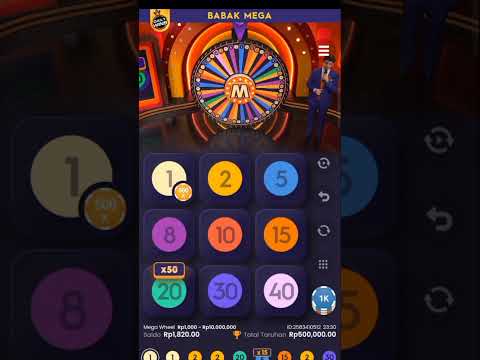
Selecting a trusted environment for interaction is fundamental to ensuring both security and meaningful communication. Minimizing data exposure by using platforms with end-to-end encryption helps protect sensitive conversations from unauthorized access. Evaluating a service’s privacy policies and moderation standards provides further assurance of a safe digital space. Transparency in how user data is handled often distinguishes reliable platforms from less trustworthy ones. Additionally, features like verified accounts and robust reporting mechanisms contribute to a secure environment where users can engage without fear of harassment. Prioritizing these elements allows for more confident and productive exchanges, whether for personal or professional purposes. Building digital trust through careful platform selection remains essential in an increasingly connected world.

Licensing Authorities and Fair Play Certifications
She chose the corner booth, its high back offering a quiet shield against the open hum of the café. Picking a trusted environment for interaction meant more than just finding Wi-Fi; it was about ensuring safety, privacy, and focus. She knew that a secure space allows ideas to flow without fear, where conversations can deepen naturally. Safety isn’t just physical—it’s the comfort of knowing no one is eavesdropping, and the data on her laptop is encrypted. In that small, trusted bubble, surrounded by soft chatter and the scent of coffee, her most important work was born. That choice, deliberate and quiet, was the foundation for everything that followed.
Security Features Protecting Player Data and Funds
Selecting a trusted environment for interaction is essential for safe digital engagement. A secure space verifies user identities, encrypts communications, and enforces clear community guidelines to minimize risks like data breaches or harassment. Key features to evaluate include end-to-end encryption, transparent privacy policies, and robust moderation tools. Platforms offering verified profiles and two-factor authentication further reduce exposure to malicious actors. By prioritizing these elements, users can foster honest exchanges without compromising sensitive information. Digital literacy also plays a role in recognizing warning signs such as unsecured connections or excessive data requests. Ultimately, a well-chosen environment balances usability with protective measures, enabling productive and respectful interaction.
Popular Games You Can Join Instantly
For gamers craving immediate action, instant-play games offer the perfect adrenaline rush. Battle royale titles like *Fortnite* and *Call of Duty: Warzone* drop you into chaotic matches within seconds, while *Rocket League* combines soccer with rocket-powered cars for non-stop, 5-minute thrills. Idle games like *Cookie Clicker* provide deep progression with zero wait times, and social deduction classics like *Among Us* let you join friends’ lobbies instantly. Whether you prefer cooperative shooters such as *Valorant* or creative sandboxes like *Roblox*, these multiplayer experiences eliminate onboarding delays. With optimized matchmaking and quick-loading servers, they ensure you spend more time playing and less time waiting. Dive into the action now—where every click or tap leads to immediate, high-stakes fun.
Classic Card Games with a Personal Touch
For quick fun, browser-based and mobile titles are your best bet, offering “no-download instant play” that skips long installs and updates. Games like *Among Us*, *Fall Guys*, and *Fortnite* let you jump into a match within seconds from your phone or PC, perfect for killing time. Many platforms now feature seamless lobbies where you can press “Quick Play” and be in a game before you finish reading this sentence.
The real beauty of these games is that they respect your time—no commitment, no waiting, just pure action the moment you click.
Try these top picks for instant entry:
- Rocket League: 5-minute car soccer matches, ready in 10 seconds.
- Apex Legends: “Fill Team” option for immediate battle royale drops.
- Wordle or GeoGuessr: No account needed, play instantly in-browser.
Game Show-Style Experiences with Real Hosts
Jump into the action without delays with games that offer instant matchmaking and minimal setup. From battle royales like *Fortnite* and *Call of Duty: Warzone* to quick-play classics like *Rocket League* and *Fall Guys*, these titles prioritize fast lobbies and low queue times. Whether you have five minutes or an hour, you can drop in, compete, and leave without commitment. No-wait multiplayer gameplay ensures you spend more time playing and less time staring at loading screens.
- Fortnite – Jump from the Battle Bus within seconds of hitting “Play.”
- Rocket League – 3v3 car soccer matches start in under 30 seconds.
- Fall Guys – Chaotic obstacle courses fill lobbies instantly.
- Valorant – Quick unranked matches with near-instant queue pops.
Q&A: What if I want a game that ends fast, too?
Try Fall Guys or Rocket League—each round takes under 10 minutes.
Speed Versions Designed for Quick Results
Many online platforms offer popular games you can join instantly without lengthy downloads or registrations. Browser-based titles like *Slither.io* and *Agar.io* drop you into a multiplayer arena within seconds. For quick competitive rounds, *Fall Guys* and *Rocket League* allow immediate matchmaking. These games prioritize accessibility, often requiring just a click to start. This instant-play format is ideal for short sessions, offering a low barrier to entry. The core appeal is the ability to jump directly into action, making them a strong choice for fast-paced, immediate entertainment. Instant play games reduce downtime, keeping players engaged from the first moment.
Strategies for Engaging with Live Dealers
Engaging effectively with live dealers in online casino games involves several key strategies that enhance the overall experience. First, maintain a respectful and polite demeanor, as dealers appreciate courteous interaction. Utilize the chat function to ask questions or make simple remarks about the game, but avoid overtalking or spamming. Understanding basic game rules and etiquette, such as knowing when to place bets or signal decisions, prevents delays and shows competence. For SEO-related phrase, focusing on clear communication and good sportsmanship can improve your gameplay. Additionally, timing your interactions to avoid disrupting the deal fosters a smooth flow. Finally, tipping through the platform’s options, when appropriate, is a common practice that builds rapport with the dealer.
Bankroll Management in Real-Time Settings
Engaging with live dealers transforms a passive viewing experience into an interactive showdown. Start by using the chat feature to greet the dealer and acknowledge wins, creating a friendly rapport that enhances the game’s energy. Watch the dealer’s gestures and timing to better understand game flow, which can improve your strategic decisions. This approach emphasizes building rapport with the dealer for a more immersive session.
Treat the dealer like a partner in performance; a simple “nice hand” builds camaraderie and keeps the table lively.
To maximize engagement, avoid spamming chat and instead ask clear, relevant questions about rules or side bets. Stay responsive to the dealer’s prompts, and use small talk to humanize the digital space. This active participation can make fast-paced games like blackjack or roulette feel more collaborative and less solitary.
Reading Table Dynamics and Betting Patterns
Engaging effectively with live dealers enhances your overall gaming experience by fostering a respectful and enjoyable atmosphere. The key to positive live dealer interaction begins with clear, polite communication; always greet the dealer upon joining and acknowledge wins or losses graciously. Avoid rapid-fire or aggressive commentary, and keep your chat focused on the game. If you have a question, ask it succinctly during natural pauses in play. Remember that the dealer is a professional managing multiple players, so patience is paramount. Maintaining this courteous approach not only makes the game more pleasant but can also lead to a more personalized experience, as dealers often respond better to respectful players.

Q&A:
Q: Is it ever appropriate to criticize the dealer’s decisions during a game?
A: No. The dealer follows strict protocols; your criticism should be directed at your own strategy, not the dealer’s conduct.
Communication Etiquette with Professional Hosts
Building a genuine rapport with a live dealer transforms a simple game into a shared experience. Start by greeting them by name when you join the table—it immediately sets a warm, respectful tone. I always take a moment to acknowledge their professionalism, especially after a smooth spin or a tricky call. Strategic interaction with a live dealer elevates the entire atmosphere, making the cards feel less like pixels and more like a conversation. When the table is quiet, a simple compliment on the shuffle or a lighthearted “here we go again” when the cards fall oddly can break the ice. Watch how they respond; seasoned dealers often share tips on table etiquette or game flow if you treat them as partners, not just croupiers. The real magic happens when you balance chat with focus—too much talk distracts, but a shared laugh after a loss turns a cold streak into a memory.
Mobile Accessibility and On-the-Go Play
Mobile accessibility has fundamentally reshaped user engagement by enabling seamless functionality across devices, with on-the-go play allowing individuals to interact with content during commutes or brief pauses. Touch interfaces, simplified menus, and voice commands have reduced barriers, making it possible to start a game or app on one device and resume on another through cloud synchronization. This flexibility supports varied attention spans and schedules, as users can dip in and out of experiences without losing progress. Accessible design integrates features like scalable text, high-contrast modes, and haptic feedback, ensuring that mobile play is not only convenient but also inclusive for people with differing abilities. The result is a fluid ecosystem where entertainment and productivity coexist, adapting to the user’s immediate environment and time constraints rather than demanding dedicated setups.
Optimized Interfaces for Smartphones and Tablets
Mobile accessibility has transformed how users engage with digital content during commutes, breaks, or travel, ensuring that games and apps function seamlessly across varied screen sizes and network conditions. On-the-go play demands optimized interfaces with touch-friendly controls, minimal loading times, and offline capabilities to avoid disruption. Optimized mobile UX design directly influences session length and retention. Key considerations include:
- Responsive layouts that adapt to portrait and landscape orientations.
- Gesture-based navigation replacing complex button schemes.
- Data-efficient streaming and cached assets for low-connectivity zones.
Accessibility at a bus stop is not about the device, but about the environment being ready for the user.
Developers must also prioritize readability with scalable text, high-contrast visuals, and customizable subtitles, while battery-saving modes and one-handed operation further support spontaneous, short-burst play. These elements collectively remove friction, making mobile gaming a consistent part of everyday routines rather than a scheduled activity.
Connection Stability and Stream Quality Tips
Mobile accessibility has transformed gaming into an on-the-go activity, removing barriers of time and place. Players can now engage with complex titles or quick puzzles during commutes, waits, or breaks, thanks to optimized touch interfaces and cloud streaming. This shift prioritizes responsive mobile gameplay experiences that adapt to varying screen sizes, battery life, and connectivity. Key benefits include:
- Instant access to a library of games without dedicated hardware.
- Adaptive controls for single-handed use or portrait mode.
- Seamless progress syncing between mobile and other devices.
Such flexibility ensures that short, frequent play sessions remain coherent and satisfying, blurring the line between dedicated gaming time and spontaneous digital interaction.
Bonuses Tailored for Streaming Sessions
Unlock a new level of viewer loyalty with bonuses tailored specifically for streaming sessions. By offering real-time rewards like exclusive chat badges, subscriber-only emotes, or instant-twitch drops during a live broadcast, you create a palpable energy that keeps your community engaged. These session-specific perks incentivize longer watch times and repeat visits, as fans rush to collect limited-time rewards. Integrating dynamic streaming incentives directly into your channel’s ecosystem transforms passive viewers into active participants. Whether it’s a surprise sound alert for top donors or a cumulative viewing milestone, these targeted bonuses turn every stream into a must-watch event. Ultimately, leveraging real-time engagement rewards not only boosts your average viewer count but also deepens the emotional connection between creator and audience, ensuring your content remains both exciting and unforgettable.
Welcome Packages Focusing on Table Game Play
During a late-night stream, a viewer’s donation unlocked an exclusive “Loot Drop” bonus, showering the chat with virtual coins. Unlike generic rewards, streaming session bonuses adapt to live engagement. The system triggered a 2x XP multiplier for the next thirty minutes, turning a casual playthrough into a high-stakes sprint for rare items.
The best bonuses don’t just reward watching—they change how the story unfolds.
Viewers who stayed for 45 minutes earned a “Time Warp” badge, while top donors unlocked personalized overlays for the streamer’s next break. The loyalty meter flashed as a third-tier bonus dropped a unique emote for the group, visible only during that session. Each click felt like a shared secret, the stream humming with the energy of a game within the game.
Cashback Offers Mitigating Real-Time Losses
Bonuses tailored for streaming sessions reward viewers for real-time engagement, such as watching for a set duration or interacting via chat. These incentives often include loyalty points, exclusive emotes, or subscription discounts, designed to boost retention during live broadcasts. Platforms typically track active participation, not just passive viewership, to determine eligibility. Such strategies help streamers maintain consistent audience numbers and increase ad revenue through longer watch times. Live stream engagement bonuses are commonly structured as tiered rewards based on hours spent in a single session.
Loyalty Rewards for Frequent Participants
Streaming platforms increasingly offer bonuses tailored to specific session metrics, such as watch time or concurrent viewers, rather than flat-rate incentives. These bonuses are often structured to reward engagement peaks, like a 10% payout boost for maintaining a 500-viewer average for 30 consecutive minutes. Such session-driven rewards can significantly impact a creator’s monthly revenue. For example, a platform might provide a live stream performance bonus calculated as follows: 5% bonus for 100–200 viewers, 10% for 200–500, and 15% for 500+. These scaled incentives encourage streamers to optimize their content for sustained audience retention, directly linking earnings to real-time interaction quality. The result is a dynamic payout model that adapts to each session’s unique performance.
Common Pitfalls to Avoid in Interactive Gaming
A critical mistake many developers make is neglecting core loop feedback, where players feel their actions lack meaningful consequence, leading to rapid disengagement. Equally damaging is failing to manage cognitive load; bombarding users with excessive tutorials or cluttered interfaces destroys immersion. To build lasting engagement, prioritize seamless user onboarding that teaches through gameplay, not walls of text. Another pitfall is poor netcode, which undermines trust in competitive titles. Always test for latency and matchmaking fairness to avoid frustrating your community. Finally, avoid over-monetizing progression systems—players resent being forced to grind or pay to win. Instead, focus on coherent game design that respects player agency and time. Master these fundamentals to create experiences that retain audiences long-term.
Managing Emotional Decisions During High Stakes
Avoid overcomplicating tutorials, as lengthy onboarding can frustrate rather than guide. A key common pitfall in interactive gaming is unbalanced difficulty curves, where sudden spikes in challenge alienate casual players while boredom sets in with trivial tasks. Overloading the interface with clutter also distracts from core mechanics, as does failing to provide clear feedback on player actions. Additionally, ignoring input lag or unoptimized controls breaks immersion, and poorly integrated monetization—such as pay-to-win elements—undermines trust. To maintain engagement, ensure consistent pacing, intuitive navigation, and responsive design, while testing for accessibility and rewarding player agency without punitive consequences.
Recognizing Responsible Gaming Limits and Tools
When diving into interactive gaming, skipping the tutorial is a classic blunder that leaves you lost and frustrated later on. This is a major interactive gaming strategy mistake you can avoid by taking five minutes to learn the basics. Other common pitfalls include ignoring audio cues, which often signal danger more clearly than visuals do. Don’t hoard your resources “for later,” either—using a health pack now is better than dying with a full inventory. Finally, avoid rushing through without exploring; hidden paths and lore often contain upgrades that make the game much easier and more rewarding.
Verifying Game Rules Across Different Providers
Jumping straight into interactive gaming design without testing your fail states is like handing a player a locked door with no key. The biggest pitfalls sneak in when you forget that frustration kills immersion faster than a glitch. Don’t force lengthy tutorials that tell instead of teach; players want to discover. Avoid punishing exploration with invisible walls or unclear objectives—this breaks the trust you’ve built. Also, dumping lore in massive text blocks drowns the story; let players live it. The common traps boil down to:
- Overloading controls—too many buttons confuse action.
- Unbalanced difficulty—spikes that feel unfair.
- Neglecting feedback—no response to player actions.
Keep the experience fluid, and the player stays hooked.
Future Trends in Human-Led Digital Gaming
Future trends in human-led digital gaming are shifting toward deeper integration of interactive storytelling and player agency. Advances in generative AI enable dynamic, personalized narratives where human decisions reshape worlds in real-time. Meanwhile, cross-platform play and cloud streaming reduce hardware barriers, fostering inclusive communities. The rise of user-generated content platforms also empowers players to become co-creators, extending game lifespans organically. Accessibility innovations, such as adaptive controllers and AI-assisted difficulty, further democratize participation. However, balancing algorithmic convenience with meaningful human choice remains a key design challenge.
Q&A:
Q: Will AI replace human game designers?
A: No—AI is expected to augment, not replace, human creativity, handling procedural tasks while designers focus on narrative and emotional depth.
Virtual Reality Integration and Immersive Tables
Future trends in human-led digital gaming are shifting toward deeper integration of AI as a co-pilot rather than a replacement for human creativity. Games will increasingly blend procedural generation with human-curated narrative arcs, allowing for dynamic worlds that still feel authored. Human-led digital gaming will emphasize asymmetric multiplayer experiences where one player acts as a “game master” using tools for real-time world manipulation. This trend supports three key developments:
- Voice-controlled NPCs: Human leaders direct non-player characters through natural speech.
- Live interactive storytelling: Human directors modify quests on the fly based on player choices.
- Ethical moderation layers: Humans oversee AI-generated content to maintain fair play.
These systems preserve the unpredictability and emotional resonance only a human can provide, ensuring games remain personal and responsive, even as computational power expands.
AI-Assisted Features for Personalized Experiences
Future trends in human-led digital gaming pivot on the resurgence of player agency and authentic social connection. As AI automates game worlds, the irreplaceable value of human referees, storytellers, and role-players will skyrocket. Live-service models will evolve into subscription-based “game master” ecosystems, where skilled humans moderate emergent narratives in persistent sandboxes. Human-led game mastering will become a premium service, blending e-sports coaching with improvised drama. This shift will reward emotional intelligence over raw mechanics, fostering deeper community loyalty.
“The most engaging digital experiences won’t be programmed—they’ll be performed.”
New platforms will support this by offering structured tools for human-led events, including:
- Real-time moderation suites for crowd control and narrative branching.
- Integrated monetization allowing players to tip or sponsor a human guide.
- Cross-platform persistence, where a single human-led campaign spans VR, mobile, and PC.
Expanding Language Options and Global Hosts
Human-led digital gaming is pivoting toward hybrid intelligence, where players act as creative directors alongside AI. Collaborative human-AI game design will allow real-time narrative branching, with moderators steering emergent stories. Key shifts include:
- Player-driven live economies, where community votes shape in-game assets.
- Personalized difficulty algorithms that adapt to individual skill without removing challenge.
- Ethical moderation tools that let human guides curate toxic behavior in VR spaces.
This evolution turns every session into a co-authored performance, not a pre-written script. The future rewards human intuition, emotional nuance, and spontaneity—factors no algorithm can fully replicate. By 2030, expect human-led “game jams” to be a core spectator sport, blending creativity, competition, and crowd agency into a single, volatile experience.