

The origin story is better documented than most cannabis myths — and it’s significantly less glamorous than the theories that get repeated online. 420 is the most widely recognized code in cannabis culture. Marijuana looks like dried, torn-up leaves and flowers, while hash is sold as a hard brick or ball.
Continue reading to learn more about hash oil and various marijuana concentrates (including their applications), advantages, and hazards. However, hash oil exhibits greater potency, with THC levels reaching as high as 90 percent.
The highest concentration of trichomes can be found in the flowers of mature female plants, although trichomes are present on other parts of the plant as well. Although two studies indicated a potential rise in the risk of fatal car accidents on April 20, further investigation revealed that the evidence did not substantiate those claims. Thirteen individuals were killed and 24 more were injured by Eric Harris and Dylan Klebold before they took their own lives.
Whether PF‑Tek or advanced grain-to-substrate methods (this is your space to compare results), learn techniques, and grow together with our fungi cultivation community. Discuss health benefits including heart support — inflammation reduction, skincare, digestive aid, hormonal balance, and athletic recovery. Learn about cannabis tinctures (including methods for infusing with alcohol or glycerin), dosing strategies, potency balancing, and delivery techniques. Share insights on dosing studies, pharmacology, safety profiles, and longitudinal outcomes drawn from scientific journals and user-reported outcomes. From seedlings to harvest, view high-resolution images of popular strains, frosty colas, dense nugs, and trichome-rich flowers. Share experiences (ask support questions), and review award-winning genetics like White Widow, Royal Haze, and autoflowering strains.
thc edibles delivered | The latest on sudden lung illness
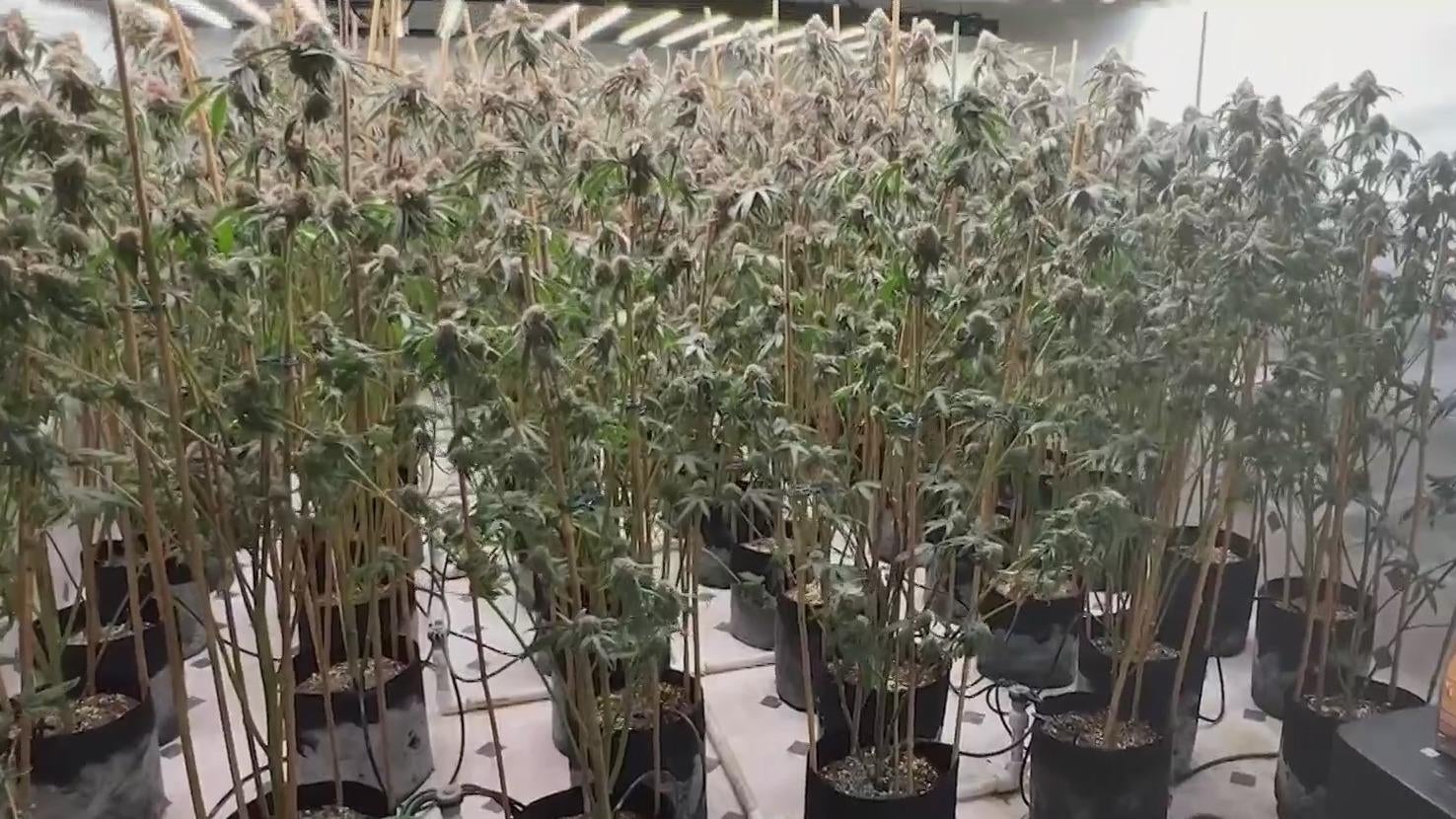

It states that some individuals are — for various reasons, willing to try multiple recreational substances. Some studies state that while there is no proof for the gateway hypothesis, young cannabis users should still be considered as a risk group for intervention programs. The European Monitoring Centre for Drugs and Drug Addiction reports that typical retail thc edibles delivered prices in Europe for cannabis varied from €2 to €20 per gram in 2008, with a majority of European countries reporting prices in the range €4–10. The main producing countries of cannabis are Afghanistan (Canada), China, Colombia, India, Jamaica, Lebanon, Mexico, Morocco, the Netherlands, Pakistan, Paraguay, Spain, Thailand, Turkey, the United Kingdom, and the United States. Advanced cultivation techniques such as hydroponics — cloning, high-intensity artificial lighting, and the sea of green method are frequently employed as a response (in part) to prohibition enforcement efforts that make outdoor cultivation more risky. This legalization comes with regulation similar to that of alcohol in Canada (age restrictions), limiting home production, distribution, consumption areas and sale times.
How Does Weed Differ From Hash?
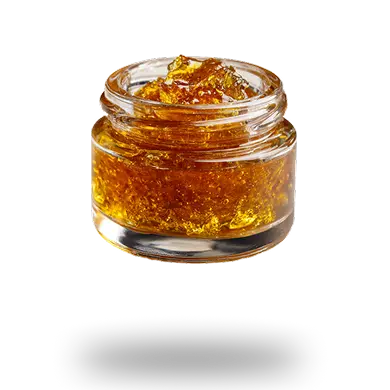
A 2017 study reported that the vapors produced by dabbing contain carcinogenic substances. Hash oil is four to five times more potent than regular marijuana. Marijuana concentrates, including hash oil, are potent extracts from cannabis plants.
Events and promotions at dispensaries.
The hash oils made in the 19th century were made from hand collected hashish called charas and kief. The tetrahydrocannabinol (THC) varies depending on preparation techniques and the variety of plant used. Cannabis retailers in California have reported about 40% of their sales are from smokeable cannabis oils.
Often (individuals will begin by mixing substances), and this is where complications become increasingly detrimental. Whether psychological or physiological in nature, addiction processes appear in both hash and weed users who chase a consistently more dramatic high. Hash is a much stronger substance, and its cumulative effects on the brain likely make it more addictive overall than weed. While the science is not definitive on a specific link, there are significant chemical factors that suggest a relationship between the regularity of cannabis use and polysubstance abuse.

Limited evidence supports its effectiveness for conditions such as AIDS wasting syndrome, rheumatoid arthritis, glaucoma, and epilepsy. Research indicates that cannabis or its derivatives are beneficial in treating nausea and vomiting induced by chemotherapy (neuropathic pain), and multiple sclerosis.
Hashish production has a deep-rooted social tradition in North India and Nepal, where it is referred to as charas. The earliest evidence of cannabis pollen in archaeological findings (studied in 2019), dates back to around 10,000 BCE in Japan. The process employed and the residual plant material (like chlorophyll), greatly influence the appearance and texture of hashish. The resin has components such as tetrahydrocannabinol (THC) and other cannabinoids, often present in higher concentrations than those found in unprocessed or unsifted cannabis flowers. Composed of compressed or refined preparations of trichomes, hashish is a concentrated cannabis product derived from the resin glands of the plant. This substance has been used for a long time in various countries (including Afghanistan), India, Pakistan, Iran, Iraq, Lebanon, Morocco, Nepal, and Egypt. As a substance with psychoactive properties — it can be consumed on its own or blended with tobacco.